#45, Rhodium

One of the most polluting and most energy-intensive things we do is to drive our cars and trucks. Gasoline-fueled internal combustion engines are at best about 35% efficient. Most of the time the car is even less efficient, as low as 10-15%, and commonly 25-30%. That means at least two-thirds of the energy in the fuel tank of a car is wasted. Diesels are a little better, but those vehicles suffer from the same inefficiencies: engine heat loss, wind and rolling resistance, braking, friction, idling, etc. You can only get so much useful energy out of an explosion! I should note that Nissan engineers claim they can get 50% thermal efficiency in a gas motor. Right on, I hope it works.

Why should you care about thermal efficiency? The goal of any energy transformation is to make it as clean as possible. To get the most out the resource with the least pain to society. To conserve in the true sense of the word, that of wise use.

Rhodium is the rarest of all non-radioactive metals It is similar to platinum. Ruthenium, palladium, osmium, and iridium are all grouped with platinum because they are all hard and corrosion-resistant. They work well as precious metals and in jewelry, in electronics, dentistry, and most important of all, as catalysts.

80% of the world’s rhodium —this extremely rare precious metal, mind you—is used in catalytic converters.

These devices are great. They really, seriously clean up vehicle exhaust. All of us benefit from this technology. And we should appreciate that there are laws requiring such devices on our vehicles. This stuff makes the air better. We would make the air even better if we drove less, but that it seems is harder to do.

Here’s some cool nerdy stuff about catalytic converters and thus about rhodium, an element you should learn to appreciate.
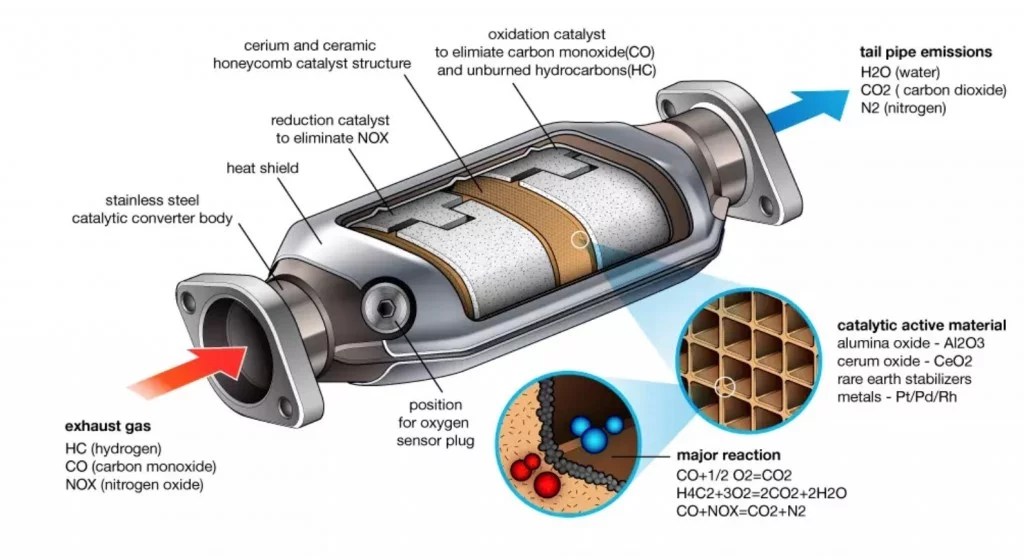
https://www.carblogindia.com/catalytic-converters-reduce-emissions-two-three-scr/

Una manzana al día

I don’t exactly eat an apple every day, but it’s close. I love apples. I eat them year-round. We don’t think much about year-round food, but we should. After all, apples are harvested in the fall in North America. Even with the high-tech storage the apple industry uses which can keep freshly-picked apples marketable for months, there will be gaps in the supply.

Enter South America. Chile, specifically. Since their seasons are the opposite of ours—their winter is our summer—they can supply us with apples in the lean times. Not just apples of course but a huge variety of other fruits like berries and grapes.

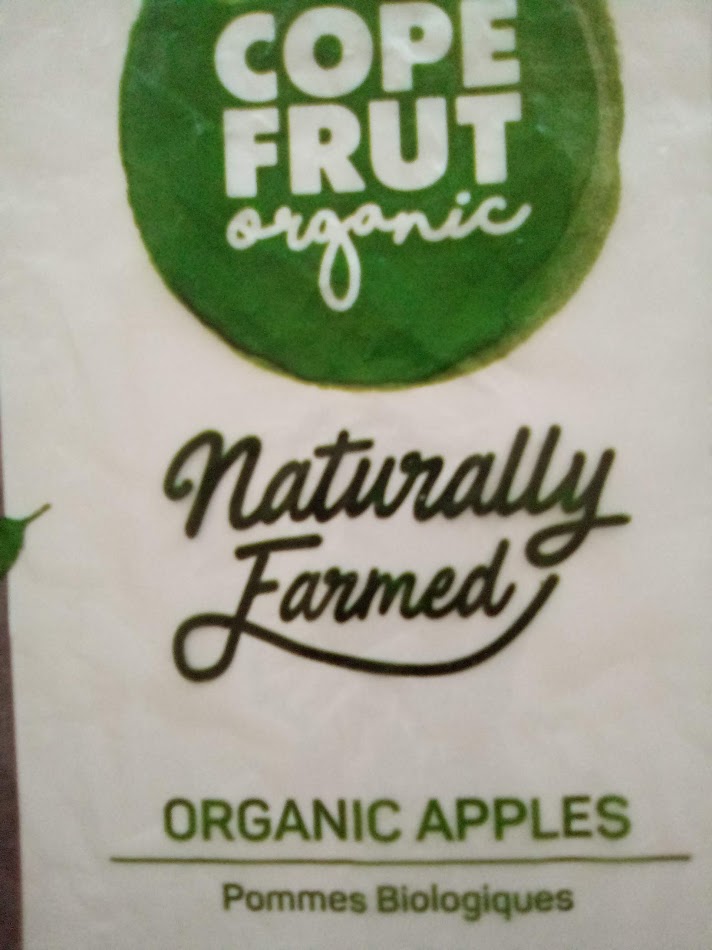
Here’s the label on the apple bag, the last batch from Raley’s I just finished:

https://www.copefrut.com/en/

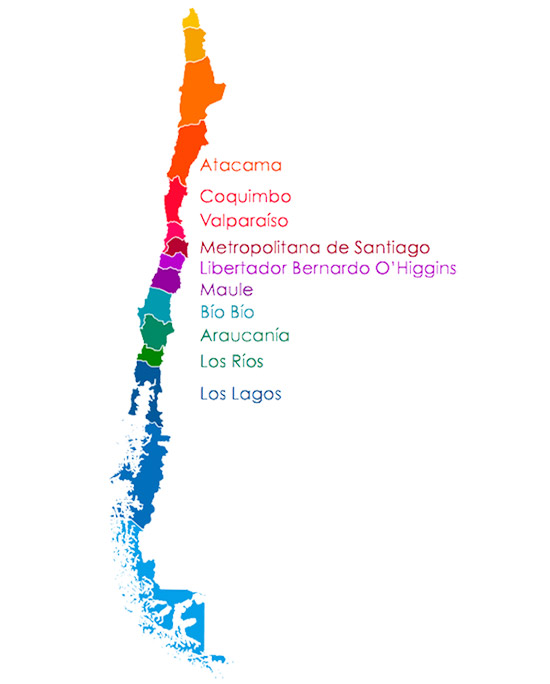
I checked out COPEFRUT. They are an agricultural cooperative based in Curicó, Chile, which is in the country’s central valley, a large depression west of the Andes and bounded by the coastal mountains. It has a Mediterranean climate similar to our own Central Valley here in California and thus is a great place to grow things. The organic apples come from the Maule and Araucanía Regions:

https://www.copefrut.com/en/

Apples are typically exported via refrigerated containers on ships. The trip to LA or another western port from the Chilean coast takes about two weeks. And as I mentioned earlier, the apple industry has sophisticated atmosphere-controlled storage options that allow wholesalers to supply multiple markets over a span of several weeks. That way I can have fresh, delicious apples year-round at my local supermarket.

Maritime transport is the most energy-efficient way to move things between continents. Air transport has a much, much larger carbon footprint. There’s a lot of interest these days in local, farm-fresh foods. Those of course are seasonal supplies. Most people I know want their coffee and bananas year-round. And once I could get the kind of apples I like every single week of the year in the produce section of my local store I got hooked. I would definitely miss my “apple a day” if the Chileans decided to sell their stuff elsewhere!

Farm-to-table is great. Support your local growers. But that’s just part of the picture. Our food supply is a complex web of global traffic. That’s why a war in Ukraine can effect grain prices. We are all connected together even if we don’t want to be. If we want to keep eating, and eat well, we should hope that all the ways we get our food are part of healthy, robust systems. These systems require huge inputs of both human and material energy. A hell of a lot of people have to work together to make sure these things get done. And that’s OK by me, after all getting a bunch of people to work together is a good thing, right?

#50, Tin

Tin is a metal from antiquity. Copper is most likely the first metal people ever worked. And they probably discovered that mixing in a little tin really helped. Bronze is an alloy of copper and tin, with tin making up about 1/8 (~12%) of the mixture. You’ve heard of the Bronze Age, I’m sure, so you can imagine how important tin was to early societies.

Tin is not nearly as abundant as copper but the ore of tin, cassiterite (SnO2), is easy to smelt. That made it available to ancient peoples who probably used wood charcoal for the task. The Latin word stannum is the source of the symbol (Sn) for tin. Our English word is of German origin. Tin mining in Cornwall, the southwest edge of the isle of Britain, dates from two thousand years before Christ.

If you ever fooled around with electronics you probably did some soldering. Most of the tin in the world goes into making solders. And much of the rest of the tin goes into making cans. We still call them “tin cans” and they simply call them “tins” in England and Australia. The cans are made of steel but they have a thin layer of tin on them. The material is actually called “tinplate” and has been used for decades to store food and other substances. The tin is corrosion-resistant so the cans (and the food) have a longer shelf life.

Steel cans get lined with plastic films these days. That way acidic foods like tomato sauce won’t eat away at the metals. Unfortunately some of the plastics aren’t the best and there have been concerns about BPA (Bisphenol-A) contamination. Tin itself is not biologically active. Tin poisoning is very rare, particularly from metallic tin and its inorganic compounds. Organic tin compounds, called stannanes, can be toxic, however.

Tin is the traditional gift for a tenth anniversary. It is supposed to be a symbol of durability. Being that we depend on tinned steel cans for our food and tin solder in our electronic devices I’d say element #50 will certainly endure.