Zinc, #30

I remember when I was a boy my dad showing me a galvanized nail. He told me it had a zinc coating to protect against rust. About half of all the zinc mined today is used for galvanization. Perhaps better known is the alloy brass which is a mixture of copper and zinc. Bronze, an alloy of copper and tin, can include a little zinc in the mix. A large number of specialized industrial alloys contain a small percentage of zinc.

Zinc is an essential nutrient. You need 10-15 milligrams per day. In well-fed areas we get plenty from our diet. Zinc deficiency is a serious problem in malnourished regions.

Zinc makes a good anode and is used in alkaline batteries as well as the older zinc-carbon cells. Batteries are crucially important in the transition to renewable energy. We are going to need all kinds of batteries.

Worldwide about 13 million tonnes of zinc are produced annually. Only three other metals are produced in greater numbers—iron, aluminum, and copper. Zinc mining and smelting are very messy processes and the environmental and public health impacts are big. Lead and cadmium are often found along with zinc and both are considered toxic heavy metals.

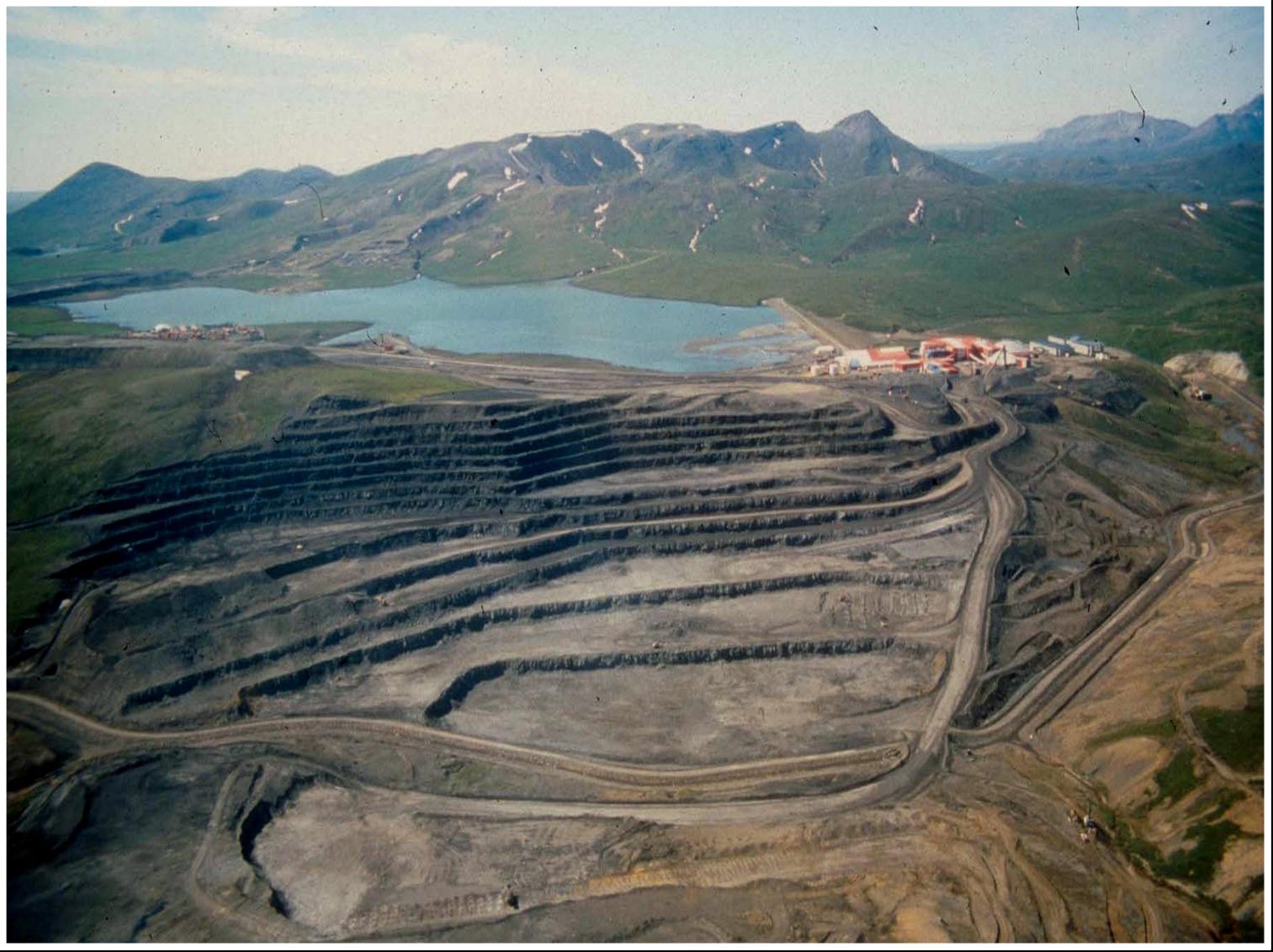
Teck Resources Limited is a Canadian mining company. They own Red Dog in Alaska which is one of the largest zinc operations in the world. Here’s a picture:
https://www.usgs.gov/media/images/red-dog-mine-ak

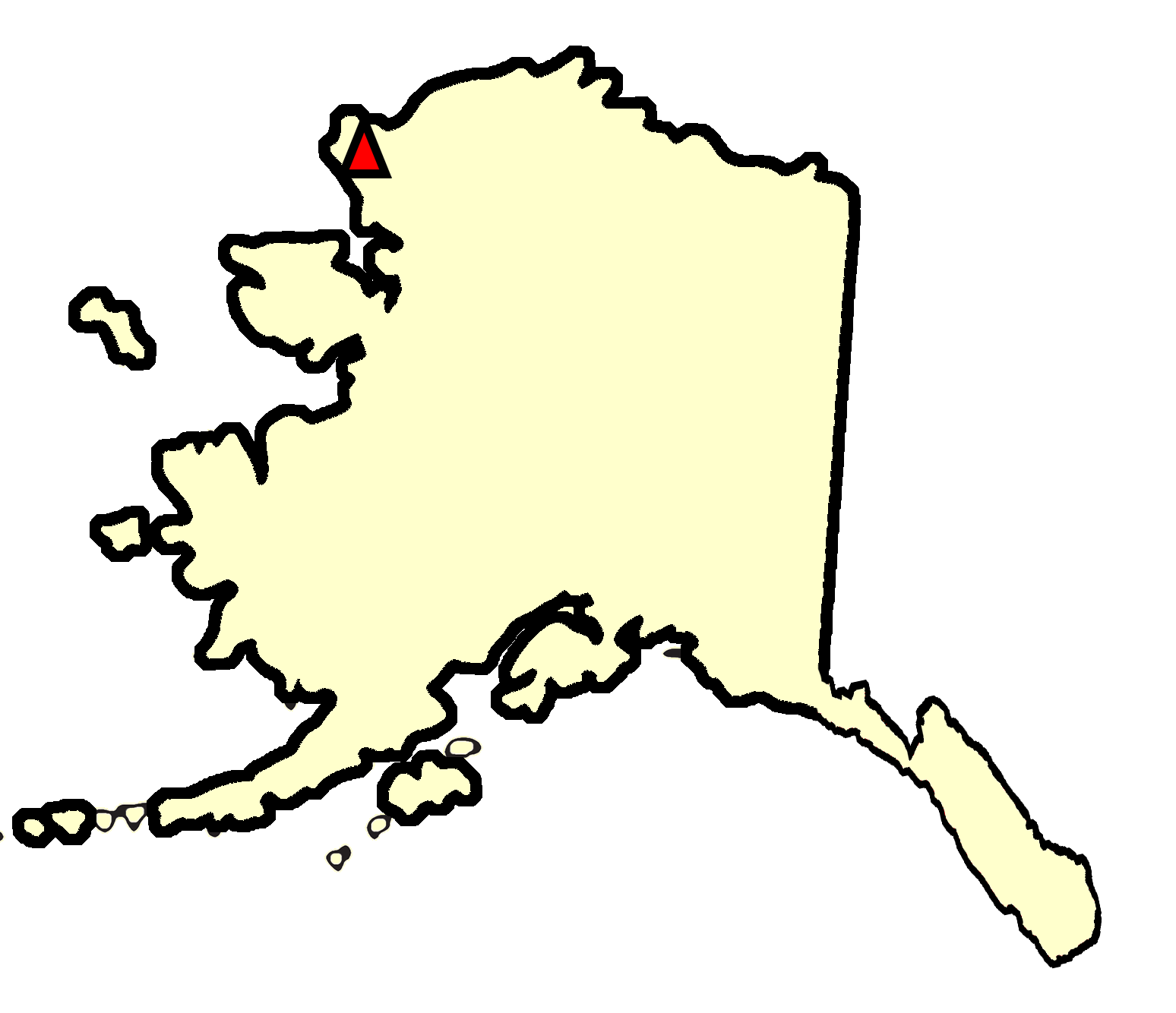
It’s pretty far away. Here’s a rough map so you can get the idea:
https://www.atdd.noaa.gov/u-s-crn-groups-map/alaska-and-hawaii_group_map/ak-red-dog-mine/

Dysprosium, #66

Despite the name the rare-earth elements (lanthanoids) aren’t all that rare. Many are more abundant than well-known metals. But they are hard to get at. They aren’t concentrated in big ore bodies. Rather, the rare-earths are disseminated widely, in many rock types, and moreover are very similar to each other chemically. That makes them hard to separate. Many weren’t isolated until late last century.

The Greek word dysprositos means “hard to get at.” The chemist who first identified the metal (Paul Émile Lecoq de Boisbaudran in 1886) coined the name.

Seventeen elements are lumped under the REE banner:

Despite the relatively high crustal abundance REEs are not produced on the same scale as copper or lead:

https://www.adamasintel.com/report/download-spotlight-on-dysprosium-revving-up-for-rising-demand/

TREO means Total Rare Earth Oxides which is how the global trade is measured (in metric tons).

These days the rare-earths are in the news. They have a lot of applications in the high-tech world we now inhabit. Fortunately we only need small amounts—compared to the massive amounts of copper we need, that is. But demand is going up. Most of the REEs are mined in China. There’s a mine in California (Mountain Pass) that has produced REEs in the past and has re-started operations. There’s a lot of interest in new domestic supplies and new processing plants.

Only 100 tonnes of dysprosium is produced each year. Neodymium magnets used in electric vehicle motors benefit from a small amount of dysprosium thus we will need more and more of the stuff going forward.