If you associate Phosphorus (P) with phosphorescence, or glowing in the dark, you’d be on the mark. Red phosphorus, the most stable form of this multiple personality non-metal, can be converted to the volatile and explosive white phosphorus by simple friction. Alas:
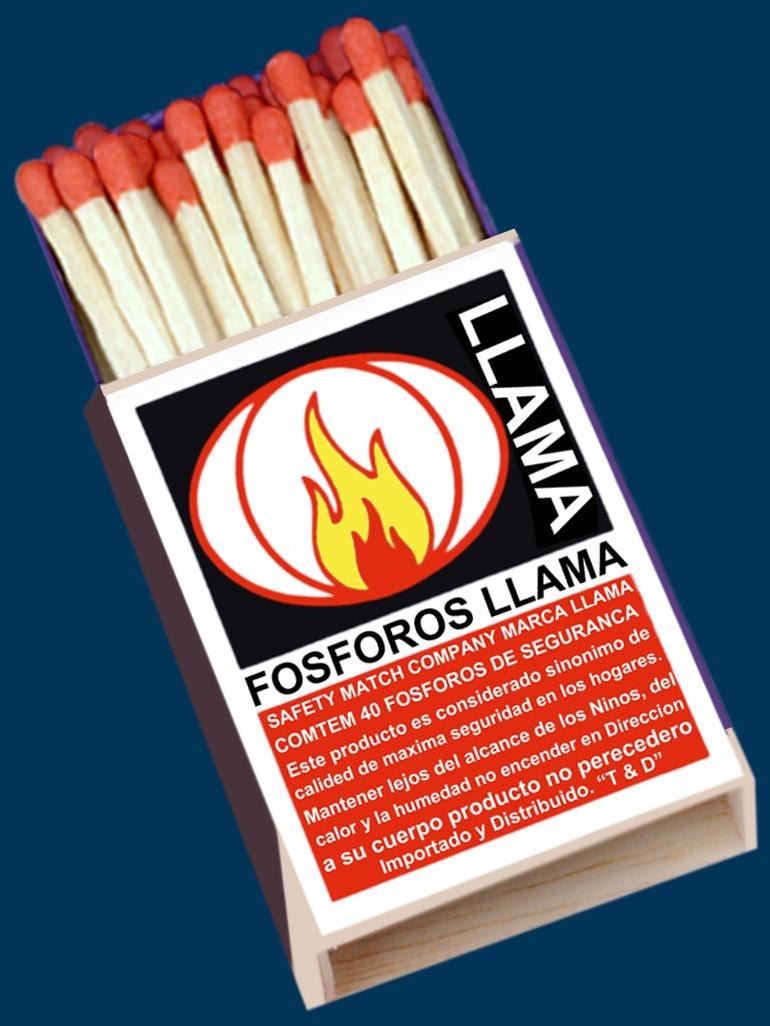
“Fósforos” is how a Spanish-speaker says “matches.” And of course phosphorus is great for fireworks and other incendiary devices.
But that’s not why phosphorus is important. When I took Biology in High School I learned CHNOPS. That stood for Carbon-Hydrogen-Nitrogen-Oxygen-Phosphorus-Sulfur. Those six elements are essential for life and we were expected to memorize that. You may remember learning about ATP and ADP, in both cases the “P” stands for phosphorus. In DNA and RNA molecules the nucleotides are linked by phosphate groups.
In the United States we mine about 30 million tonnes of phosphate rock each year. Wolfram Alpha tells me that all the terrestrial wild animals on earth weigh about 70 million tonnes. That’s just for perspective! Anyway, most of that is used to make fertilizers.
Without fertilizers we would not be able to grow enough crops to feed ourselves and our animals. Vaclav Smil (in Growth, p. 444) estimates that corn (maize) production in the precontact Americas was about one ton per hectare for the societies that practiced cultivation. Eleven tons per hectare is the norm for a 21st century farm. That of course comes at an enormous cost in energy and environmental degradation.
Miners like to remind people that what can’t be grown has to be mined. In the case of phosphorus, it has to be mined so stuff can be grown!
 Mark C. O'Connor