They call the stuff aluminium in Britain and other places. It keeps the -ium ending common to many other elements. But here in the States it’s aluminum and it is one of the pillars of our economy.
Vaclav Smil says that modern civilization rests on four materials: cement, steel, plastics, and ammonia. It’s hard to argue with that.
The materials that take the most total energy to produce in this country are paper, gasoline, steel, and ethylene. But on a mass-basis, it’s aluminum. Per pound or per kilogram, aluminum is the most energy-intensive stuff produced in large quantities in the US.
It’s chemistry, man. Aluminum is very abundant but it likes to combine with other elements (particularly oxygen) a little too much. Pure aluminum metal oxidizes immediately on contact with air. (That provides a protective layer and keeps it from corroding.) Aluminum ore is called bauxite and it contains alumina or aluminum oxide (Al2O3). This stuff is the devil to take apart. It took modern electrolysis to make it practical. About one-fourth of the cost of aluminum is the electricity needed to separate the metal.
In Napoleon’s time aluminum was worth more than gold. Today’s spot price has aluminum at $1.13 per pound (about 32 12-oz. cans)! That’s only possible because of cheap and abundant energy. We don’t produce much in the way of primary aluminum in this country. China is the leader, with India, Russia, and Canada significant if small producers. But we consume a lot of aluminum—about 35 kg (77 lbs.) per capita annually.
I rant and complain a bit too much, I think. I see bad things everywhere. And all the time. That’s no way to live. You have to be positive. That’s hard work for me. I’m a natural skeptic, and that’s only a step or two away from cynic. No one likes a cynic.
My mom is a very upbeat person. But she’s not one of those Pollyanna types, she’s too earthy for that. It’s actually a concerted effort on her part. Mom just prefers to look on the bright side and so she does.
I like mining.com because I’m interested in natural resources. Regardless of your outlook on the world’s future, one thing is certain: we will need massive amounts of mined materials.
If you’re a techno-optimist you obviously support the expansion of mining as the new AI-led Cryp-topia will need one hell of a lot of computers and a boatload of electricity to run them.
If you’re the eco-topia type with a goat in the backyard and solar roof tiles, you’ll need a hell of a lot of electricity and a boatload of computers. You may or may not support the expansion of mining.
Regardless, the future is here and everyone needs stuff we dig out of the ground. I came across an article on mining.com about a tire company that’s doing its best to conserve, that is, use its resources wisely. They are doing cool stuff. That makes me feel good. Capitalism has a way of turning certain humans into sociopathic swine (see Musk, Elon; Bezos, Jeff; or Zuckerberg, Mark). That makes me feel bad. Like I said, I need to be more positive.
Capitalism also has a way of stimulating innovation. It’s a huge force for good in the world because it creates wealth and lifts people out of poverty.
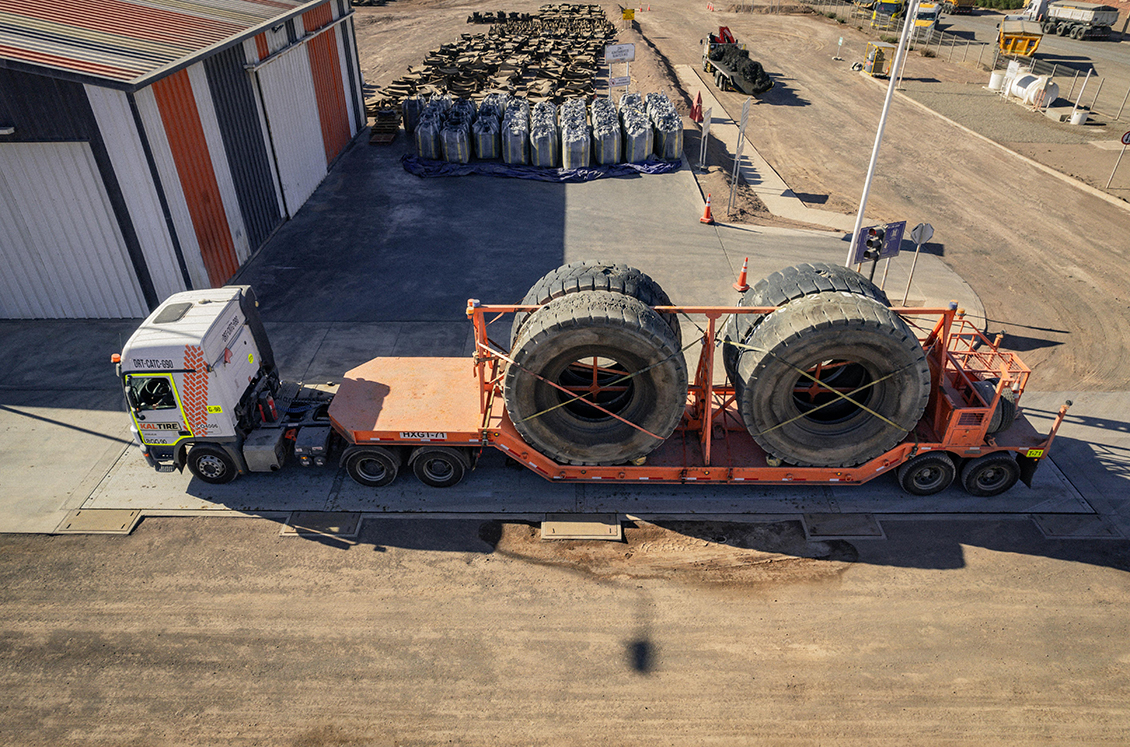
Kal Tire supplies tires to the mining industry. You’ve seen those gigantic tires on big trucks and tractors. I once stood next to a hauler at an open-pit mine site and the tires were taller than me. And that was a medium-sized rig. The mining industry uses a lot of tires. Big tires on big vehicles in gnarly places that wear out quickly.
These guys (they are a British Columbia company) have a pretty cool recycling program. They have a plant in Chile (the world’s largest supplier of copper) that processes old tires. They use a special furnace that heats without oxygen and they can recover a lot:
A full load, five 63-inch tires, generates 6,500 litres of alternative fuel, 4,000 kilograms of steel, 8,000 kg of carbon ash, all for reuse in new materials, plus enough synthetic gas to fuel the plant for several hours.
A lot of small-scale solutions add up to big changes. This kind of cool stuff makes me feel good. People are smart and creative. With the right incentives, people can solve a lot of problems. Governments should reward and encourage companies that reduce their environmental footprint.
Humans have been writing for five thousand years. Egyptians used reed pens, ink, and papyrus in the First Dynasty (3000 BC).
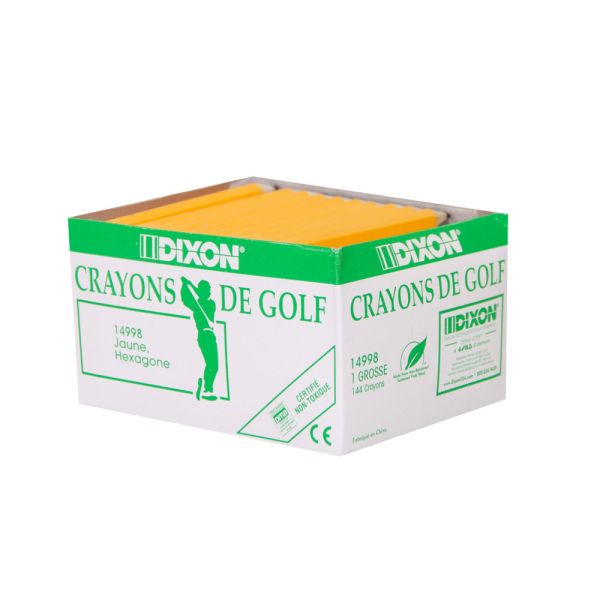
That’s a pretty robust technology. In our modern world we have lots of ways of writing: printing presses, typewriters, word processors, whiteboards, touchscreens, talk-to-text, and every kind of implement from Sharpies to airbrushes. And let’s not forget golf pencils!
Typewriters were once essential. Now they’re quaint. What other means of writing will follow them to the dustbin? We live in an era of rapid technological change, yet we embrace new technologies as if they will last forever. Remember fax machines?
I’ve always thought of myself as interested in technology and enthusiastic about new inventions. Ever since the iPhone however, I’ve had a change of heart. I’m not opposed to new tech, of course. I just wish we would get off the goddamn tech treadmill that demands constant “upgrading.” Did you know there have been 47 iterations of the iPhone since its first release in 2007?
That’s absurd. Most of the digital junk in the world exists because some company decided last year’s product is now obsolete and needs replacing. Nearly 1 in 5 people in the world use an iPhone. Have you got your iPhone 16 yet?
I’m picking on Apple because they are a corporate behemoth. They do a great job with their advertising and they exude a free-spirited image, but they are as buttoned-down as any other outfit governed by quarterly results.
I’m choosing to replace “upgrade” with Cory Doctorow’s lovely neologism “enshittification.” Once a company’s product gets popular enough, it gets harder and harder to grow the user base. And grow the user base is the Single Most Important Principle of the tech business model. So how do you get new people? You add new features! You change old ones! You make the product seem fresher and better. Note that I said “seem.” Rarely do good products get better. They usually get worse. Bigger, uglier, clunkier, and further removed from the user’s experience. Google Search is a good example. It used to be a great adventure to surf the ‘net with a search engine. Now it’s a chore—all the links are paid for and the same ones turn up over and over again. The world wide web is now a gated community.
I think today’s vehicles are much better than the old ones of my youth. And certainly computers are slicker and more powerful. TVs are waaaaay nicer. I look forward to the future—people will invent new things, create new things, and discover new things. I think all that is marvelous.
But our Silicon Valley Tech Bro Overlords want to squeeze every goddamn nickel of profit out of every thought you make and every breath you take. They want to digitize, tokenize, and monetize every goddamn thing everyone does in this world. They want you completely enmeshed in their products so that all your actions will add to their bottom line.
But writing belongs to everyone. Apple doesn’t own it, even if all the writing a billion people do everyday is on an Apple device.
I say let’s start carrying a pencil and a piece of paper in our pockets wherever we go. I mean, we carry smartphones with us everywhere, and those are complex, expensive things that need frequent attention and regular charging. It’s like carrying a hamster around. You have to be vigilant or the little thing will run away, or get squished, or bite your finger. Our digital devices have a life, and we’ve chained ourselves to them.
Writing, that is, the robust, old-fashioned way of making marks on paper, will survive. Tech comes and tech goes. What’s hip today is moldy tomorrow. Writing is personal. It’s intimate. It’s tactile. It’s universal. It’s quiet. It doesn’t need batteries. It doesn’t even need an audience. Writing for oneself is an ancient practice.
Pencil, paper, and pencil “lead” (i.e. graphite) are all carbon-based. Just like us. Writing is life!
Mobile devices now outnumber people. There are approximately 18 billion of them out there and 7 billion of us. The tech-company Apple alone sells about 250 million smartphones annually, just to get an idea of the scale of this phenomenon.
All of these things have flat panel displays. Think about PCs, TVs, fast food kiosks, automobile touchscreens, info screens (at airports, ballparks, etc.), ATMs, grocery store scanner displays, medical imaging, and so on until your head explodes.
Flat panels are everywhere. It’s how we see the world these days. These things didn’t always exist. And the technology changes rapidly. People like to “upgrade” and a lot of the stuff manufactured one year gets tossed into a third-world trash heap a year or two later. That’s a lot of brainpower and highly-refined natural resources turned into trash by marketing whims.
Flat panel displays use a lot of novel materials and one of those is indium tin oxide or ITO. The bulk of the world’s indium goes in to making ITO for optical thin films which include things like liquid crystal displays (LCDs). There are many types of flat panels, LCDs are the most common.
Indium is a by-product of zinc smelting. World demand is approaching 1000 metric tons annually. In North America, Teck Resources in British Columbia is the leading supplier.
Robot stories are as old as science fiction. I like to think of Mary Shelley’sFrankenstein as one of the first science fiction novels and that book was published over 200 years ago!
Shelley investigated what it meant to be human. If we could create a human-like life would that change how we felt about our own humanity? Can we play God and create life? Should we?
Fast forward to the 21st century and we are still trying to answer those questions. Advances in AI and robotics have brought us closer, but we are still children playing in the sandbox. We don’t know squat.
For proof, look at all the yammering by that asshole Elon Musk about humanoid robots. Tesla shareholders HAVE TO BELIEVE what he says. If they don’t then their over-valued House of Car(d)s will collapse. No, we aren’t going to have a million humanoid robots running around!
Humanoid robots are stupid. There are robots all over the place in this modern world of ours, but they look like tools, not people. That’s because if you need a robot arm, you probably don’t need a leg, and engineers are loath to make things more complex than necessary. Imagine if the robot rovers NASA explores Mars with had to be upright and bi-pedal. It would be ridiculous.
But the fantasy persists. And it persists mainly because our Tech Bro Overlords (and they are all bros) want sexbots. The only reason to have a human-like artificial creature is for personal pleasure. Maids, butlers, gardeners, and cooks don’t have to look or act like humans. They just have to deliver the services.
Ah, but girlfriends are different. They need to be programmable! They need to be always on and always ready. And always in perfect health and perfect shape and if they aren’t they have to be easily replaced or repaired. Kind of like luxury cars.
The expense, energy, and technological advancement needed for life-like, human-female robots is probably decades away, if even possible at all. But that’s the allure! What a thing to strive for! Imagine having the perfect sex partner all the time. Few advancements would be more welcome to the male population than that one. (I can’t speak for females, they might want that as well, I’ll ask around.)
Which brings me to one of the best books I’ve read in a while and that’s the one pictured above: Annie Bot by Sierra Greer.
Annie is a top-of-the-line sexbot and her new owner Doug is over-the-moon about his latest purchase. Since Annie is customizable, Doug, working with the factory reps, eventually gets the perfect girlfriend he was hoping for. Unfortunately, Annie’s increased complexity has unforeseen consequences. Her emerging “personality” and ultimately her self-awareness burst the bubble. Doug sees that Annie has her own mind and can no longer be controlled. The story becomes about her struggle for “identity” and of course, freedom.
It’s a nice short novel, 231 pages, a welcome break from the bloated best-sellers that routinely come in at twice that length. I’m a fan of 1950s mystery and thriller books in a large part because of their brevity. The writers couldn’t bullshit around and stuff their tomes with fol-de-rol, they had to get down to business. Greer does that with Annie Bot. It has the pace and energy of a crime novel but deftly handles issues like intimacy, honesty, and desire.
In the end, Greer gives us a fresh look at the human/android question, and turns it back on ourselves. What is it that we really want?
I remember when I was a boy my parents would treat a minor wound with tincture of iodine.
The stuff is still around. I also remember the mercury-based treatments like “mercurochrome merthiolate” and such. Yikes! Eventually Bactine and Neosporin and whatnot sent all the old antiseptics to the fringes.
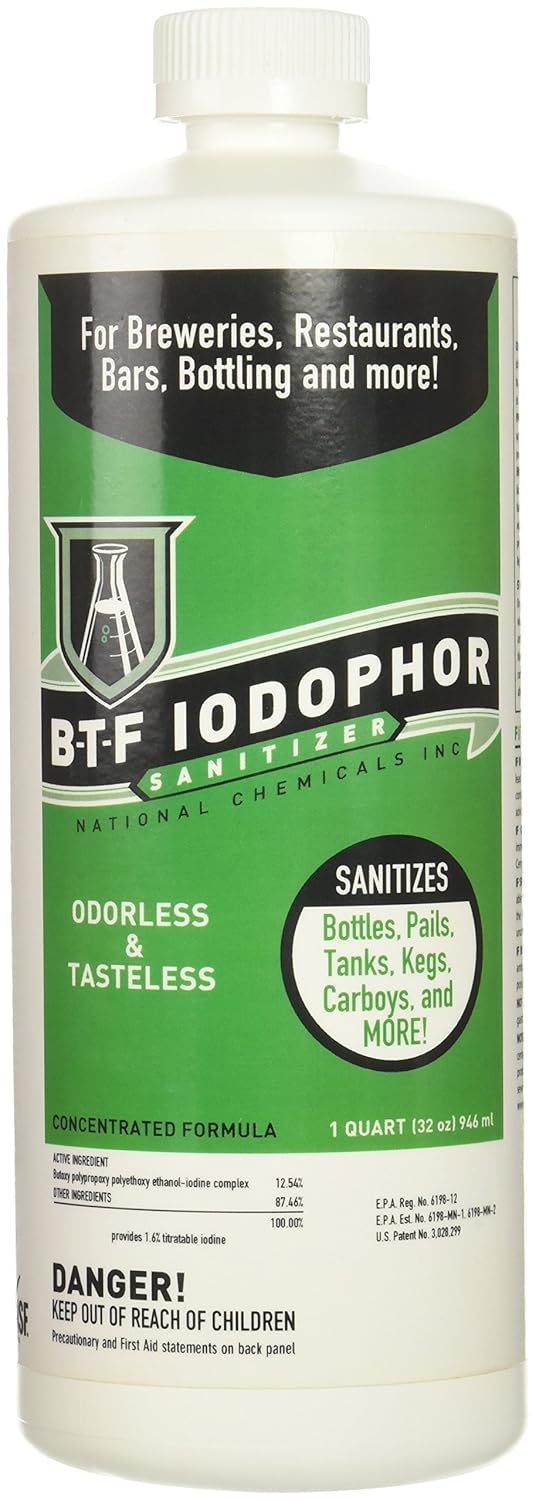
Iodine and iodine compounds are found in many disinfectants. One of the forms is called iodophor and it’s used in restaurants, kitchens, etc.
When I was a chemistry teacher I would get a wee chunk of solid iodine which looks a little like shiny charcoal. Heated in a flask it liquefies readily (273 ºF) and boils off (363 ºF) soon after. The liquid and vapor are both a striking violet color. I should note that I would do this under a fume hood! You don’t go around filling your classroom with noxious gas.
We also did an experiment where we mixed potassium iodide (KI) solution with lead nitrate (Pb(NO3)2) solution. The lead iodide (PbI2) product is a spectacular yellow precipitate. After we filtered out the solid and let it dry overnight we would heat a small portion in a test tube. The beautiful violet iodine gas would evolve and a shiny blob of lead would be left behind.
It was fun having my own lab and playing with chemicals and science gizmos! But that was another life.
Iodine is produced from brines. It is a rare element compared to its halogen neighbors. Iodine is an essential nutrient as it is necessary for the synthesis of thyroid hormones. Nutritional deficiency in iodine is a serious health issue. Table salt is iodized (minute amounts of iodine salts are added) in many countries (including the USA) in order to address that.
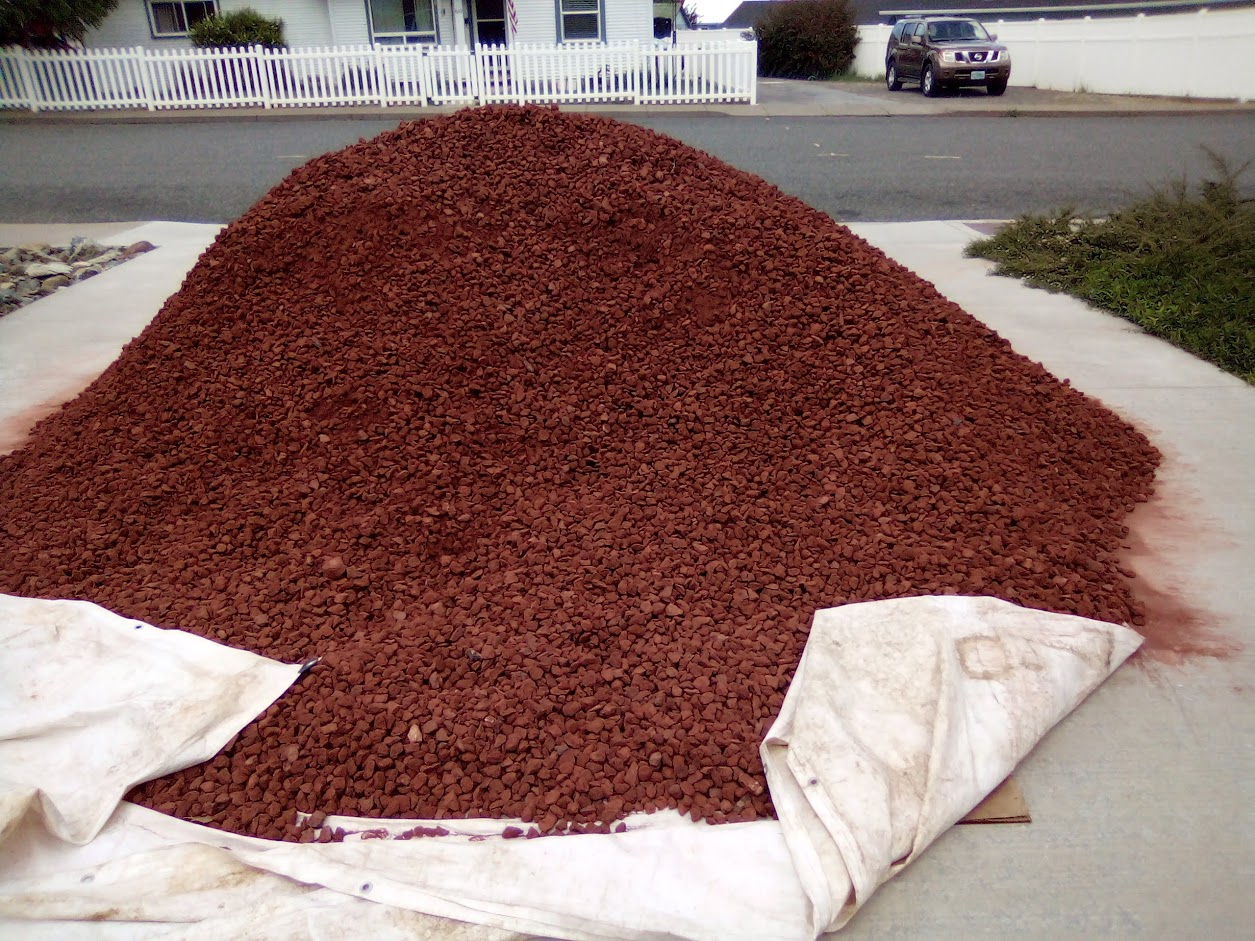
We recently ordered five cubic yards of one-inch red cinder. It’s a heapin’ pile o’ rock and it looks like this:
Good thing we have a big, wide concrete pad for it to sit on! You can see some staining on the gray concrete. I think we’ll get a trippy tie-dye effect of red swirls and smears left behind when the heap’s gone. That’s fine by me, the concrete could use a little color.
I shovel a dozen shovelfuls into the wheelbarrow and it gets about half-full at best. I reckon that’s about five-plus gallons of rock. I move a dozen wheelbarrow loads and then I quit for the day. And I only do it every few days, not every day. Hey, I’m a senior citizen! I shouldn’t be expected to work so hard.
It turns out that five cubic yards is 1010 gallons! (I learned this from Wolfram Alpha.) But that’s not exact. One fluid US gallon is defined as 231 cubic inches. A cubic yard is 3 feet by 3 feet by 3 feet (27 cubic feet) which, in inches, is 36 x 36 x 36 or 46,656 cubic inches. If you have five of those that’s 233,280 cubic inches. If you divide that number by 231 you get 1009.801298 . . . and a heapin’ mess o’ more digits.
So, rounding off to 1010 is the way to go. After all, who actually measured the five cubic yards? That’s got to be, as my old Chem 1A prof would say, “a quick-and-dirty number.” I suspect they really sell the stuff by weight, anyway.
But that’s not the point. Once I realized that I scooped about five-plus gallons or so into the wheelbarrow for each load, I knew it would only take about 200 loads to finish the job. I’ve already logged a few dozen, so this is a task even I can complete.
We like to xeriscape. That’s from a Greek word xeros which means dry. It was coined by a woman named Nancy Leavitt in 1981. Rocks grow just great around here! They need to have new buddies join them every decade or so, but are otherwise very low maintenance. I recommend you get your own heap real soon.
I don’t pay for TV so I only get channels that come off-the-air. One of those is Fox. They have Saturday baseball so I watched the Giants game this weekend.
After the opening sequence the camera panned onto the field and the home plate area. A graphic came on the screen advertising a gambling outfit and giving some odds for today’s events. I don’t remember if it was Bet365, FanDuel, DraftKings, or something else, but it was MLB-approved. I remember when MLB had “official” bat-makers, glove manufacturers, and whatnot. Now they support casinos!
Hypocrisy is nothing new in pro sports, so an anti-betting entity like Major League Baseball supporting betting isn’t a shocker, really. MLB likes money streams and people like to make bets so they are getting their piece of the action.
People are going to gamble. So making it illegal won’t work. So, we regulate gambling. We make it inconvenient. You have to go somewhere to place a bet. It takes effort and time, not just money.
But now we have the mobile phone and the apps that do everything for you. Enter the betting app. Now you can gamble whenever and wherever you want. You don’t even have to be an adult. All you need is the app.
I can’t see gambling-at-my-fingertips as a social good. A net positive. I can only think of the negatives. It makes me think of when the cellphone came to classrooms. Once the dam was breached there was no going back and the change was irrevocable.
Bets are blood money. Recreational betting (think Super Bowl pool) has never needed an app or anyone’s help. Prop bets in bars have been around as long as bars and betting. People who want to throw money down on elections or ballgames can do it all by themselves. Mostly, that stuff is harmless. But gambling is like drug addiction. Some folks can’t do it. They go down the tubes and take their loved ones along for the ride. Gambling is bad and EVERYONE ALREADY KNOWS THIS.
But MLB thinks it’s okay. I think they are fools. At some point the gambling money will be bigger than the prize money and the outcomes will be more important than just fans’ bragging rights. And that won’t be okay.
The economic engine we call capitalism depends on several things. One, a continuous stream of affordable energy. Two, a continuous stream of new raw materials. Three, continuous consumption.
The logical outcome is a continuous stream of waste! And that is what we see, of course. All these “growing markets” and all that consumption means we have to throw away the old stuff. And throw it away we do!
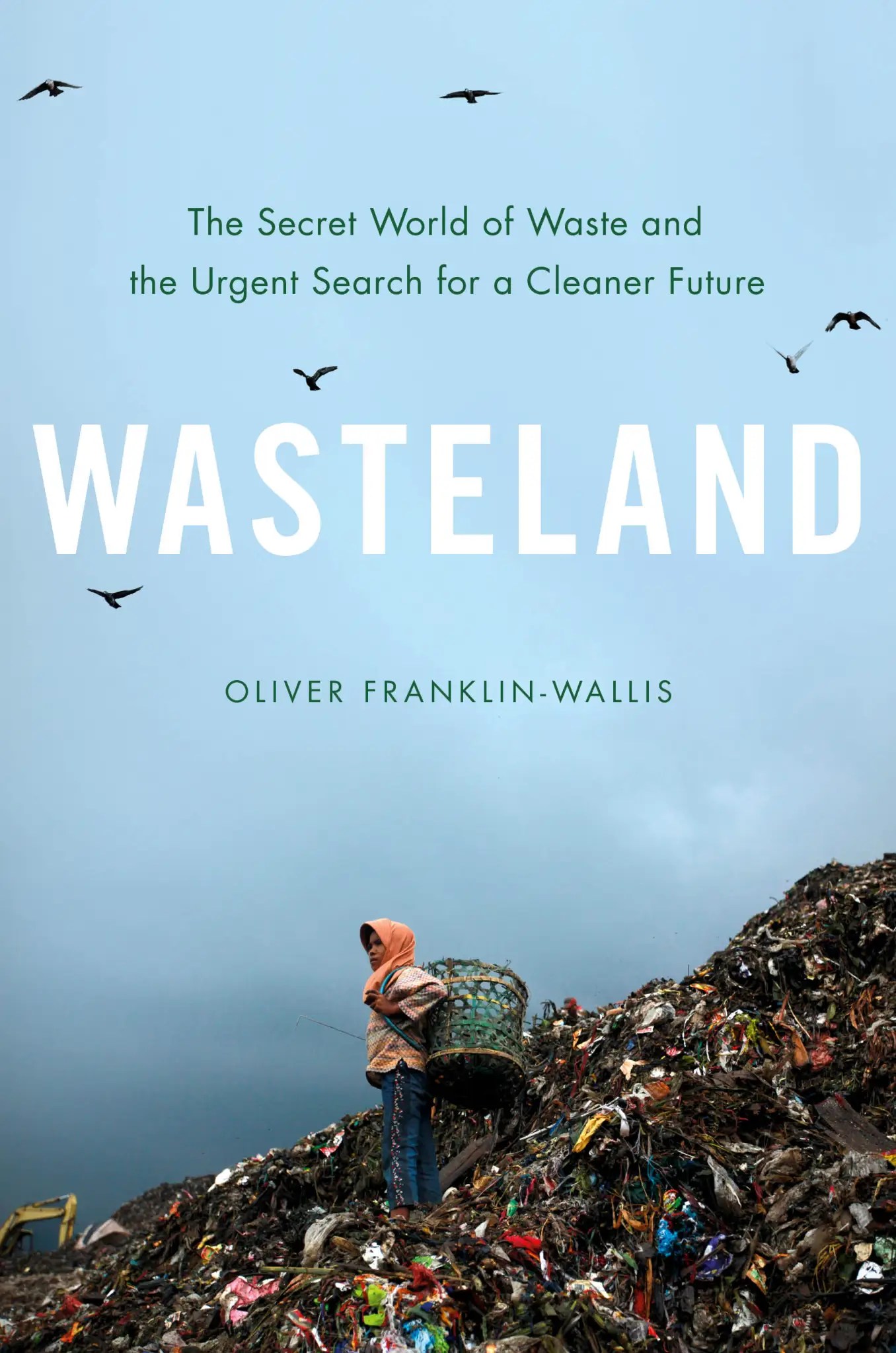
I’m not going to tell you this is the best book in the world or anything like that. But it is well-written, thoughtful, and has a sense of urgency. Mostly, it’s the topic. I think garbage is a pretty damn important topic. We all know we live in a throwaway society. Sure we have recycling and food and clothing charities, but mostly we throw stuff away. And mostly that stuff ends up in giant dumps in poor countries.
We export our waste. Even the waste we keep we take an “out of sight, out of mind” attitude and bury the stuff. There really should be no such thing as waste. All the stuff we throw away is just an under-utilized resource.
In the developing world, they use our waste. They pick out stuff that still has value. It’s ugly, dirty, dangerous work done by the world’s poorest people. We hear a lot about “American jobs, American industry, American workers” from the current regime. Here’s an industry we need—waste recovery. Instead of shoring up a nonsense racket like “crypto-currency” we should take a serious look at our recycling and waste management systems.
Oliver Franklin-Wallis’ book is a good place to start. The subtitle on the USA edition is the secret world of waste and the urgent search for a cleaner future and that unfortunately sounds like something a corporate green-washing committee would come up with!
I like the subtitle on the UK edition (pictured below): the dirty truth about what we throw away, where it goes, and why it matters. That’s much more direct. Regardless, read the book!
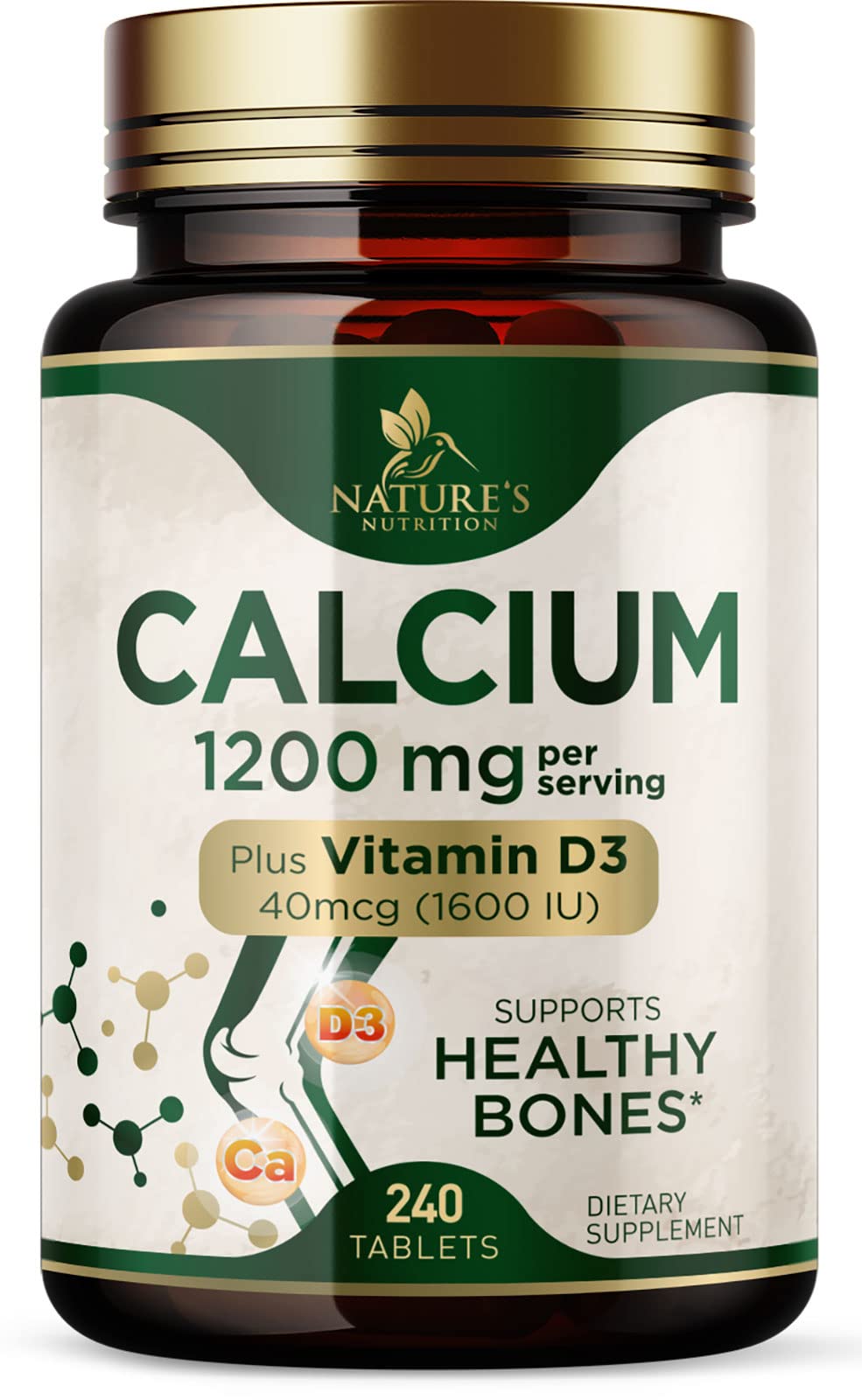
While there are a myriad of uses for both calcium metal and its various compounds, most people associate calcium with supplements.
Calcium is one of the most abundant substances in the crust of the earth and is well-known as an essential nutrient, especially for bone health.
The supplement industry knows this and they sell a hell of a lot of calcium. The 2024 global market was estimated to be just shy of six billion dollars and it is expected to grow by half in the next ten years.
The supplement business is a big one. Globally, vitamins and minerals and other such things generate about fifty billion dollars in annual revenue and that’s expected to double in ten years.
Most of these things are of dubious nutritional value and are even possibly harmful. The industry is mostly unregulated and the medical claims made by its salespeople are mostly nonsense. Nonetheless we love our supplements!
With that famous-named asshole now in charge of health for the entire country things are only going to get worse. There will be a lot more “alternative” medicine foisted upon us. Americans have a rich tradition of snake oil peddlers and we will be embracing more and more of that stuff as we drift further into medieval mumbo-jumbo.
There are plenty of things wrong with modern medicine. But that doesn’t mean you throw out good science and replace it with hippie bullshit. It’s just like recognizing the deep, systemic flaws with a capitalist economy. You don’t dump the whole shebang and go full commie, fer chrissakes. That’s NOT an alternative. You don’t go from a free market to a command-and-control economy because, like, uh, you couldn’t come up with anything else?
We have this tendency to see all problems as binary. You have a problem with modern medicine? OK, the smart move then is to get rid of the entire apparatus and replace it with sassafras tea, kombucha, and pilates. Good grief!
The problems that are worth solving never have simple solutions.
These days we have more knowledge about the body and nutrition than ever before. The problem is that we are buried in information. That’s not the same thing. Knowledge is hard-won. Information is easy. Anyone surfing the internet for nutritional advice will be quickly overwhelmed with masses of factoids, sales pitches, and contradictory materials. And increasingly, the same material reproduced at a dozen different sites! Actually learning—gaining knowledge—from all that shit is difficult at best.
Going back in history, the ancients knew they could heat limestone (calcium carbonate, CaCO3) to make lime (calcium oxide, CaO), also known as burnt lime or quicklime. Lime was used for mortar. Lime is still the most important ingredient in modern cement. You can imagine the scale of global concrete use and that will tell you about the huge demand for calcium! Good thing it can be found in large quantities all over the earth.
It wasn’t until 1808 that Humphry Davy isolated calcium metal from quicklime via electrolysis. Calcium metal is used in alloys and steel-making. Calcium compounds like calcium sulfate (CaSO4, aka gypsum), used to make sheetrock or drywall, and calcium chloride (CaCl2), commonly used to de-ice roads, are ubiquitous.




 Mark C. O'Connor