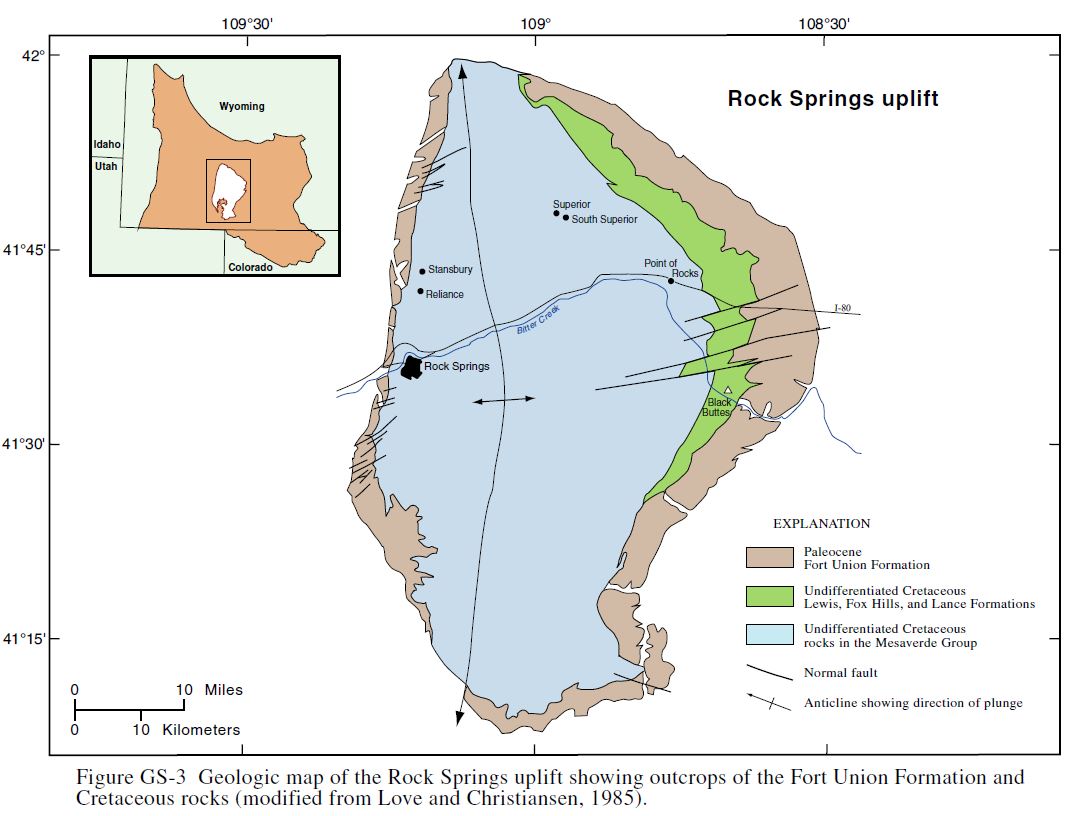
Geologic time is another kind of magic. Who can conceive of those extraordinary spans of time? It takes a little over three years to equal 100 million seconds in our everyday existence. Three years worth of seconds is hard to grasp. Now think of those seconds as years. Can you imagine 100 million years? Maybe not, but that’s what the geologists ask of us. When they talk about the Rocky Mountains they tell us that they started growing 70 or 80 million years ago, an event they call the Laramide orogeny. This was after a time when present-day Wyoming was at the bottom of a gigantic inland sea. This mountain-building time lasted perhaps 25 million years. Again, those numbers! The Rockies formed then were high mountains and plateaus interspersed with broad, low-lying basins. Erosion stripped much of it away, and glaciation—very recent—carved the landscape we see today. The marine deposits of the ancient seaway created much of the oil and natural gas that lie under Wyoming. Once the mountains grew, the sea retreated and the basins became inland lakes fed by rivers. The climate was sub-tropical, and many of the basins were vast swamps surrounded by forests of ferns and deciduous trees. Over time these swamps were successively inundated and then buried by sediments. Enormous peat bogs formed, some the size of small states. Bury a peat bog deep enough and long enough and you get coal. Wyoming was the beneficiary of a remarkable sequence of geologic events that created its modern mineral wealth.
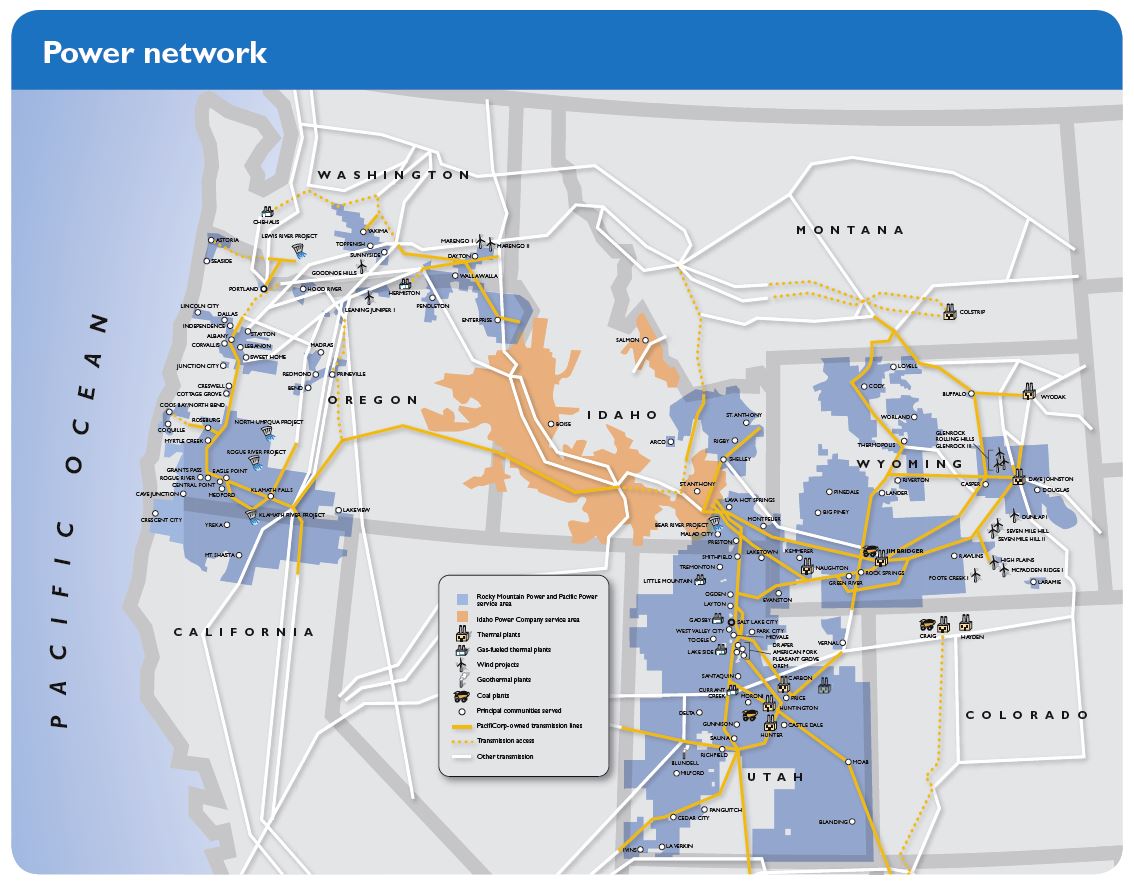
Coal, like oil, is amazing stuff. It fired the Industrial Revolution. Once it fueled all of our trains until diesel engines took over. These days it is mostly used to make electricity. According to the Energy Information Administration coal is the source of 39% of our electrical needs. But coal comes at a cost, like all fossil fuels. Coal has to be burned to make heat, the heat needed to make steam and turn a turbine. When you burn something you create waste. Coal makes a solid waste called CCR or Coal Combustion Residue. Some of it is fine material, or ash. There’s also boiler slag and the sulfur-laden materials collected from flue gas scrubbers. It’s a lot of stuff, over 100 million tons per year. Some of it can be used by the cement industry or gathered with gypsum to make things like wallboard. The rest has to be disposed of like all solid waste in landfills. Coal burning creates not only greenhouse gases but persistent air pollutants like nitrogen oxides. Not all the sulfur by-products can be scrubbed from the waste gases and those enter the atmosphere as well.
So what are we to do with this abundant and accessible resource? Obviously we are going to burn it but just as obviously we have to find ways to do it better. To those in the industry new technologies and methods can create “clean coal” which has a nice politically acceptable sound-bite ring to it. Environmentalists say such a phrase is oxymoronic, that coal cannot ever be “clean.” It’s a lot like gasoline. We know that our cars pollute but we keep driving because the costs are dispersed. That is, the impacts on the environment and on our health are spread out over the entire nation and sprinkled amongst us here and there. And we’ve seen the success of the Clean Air Act in places like Los Angeles where the air is cleaner because of the regulations and better automobile engines. It’s not like your neighbor collapses in an asthma attack when you start your car. If he did we might notice the effects of burning fossil fuels.
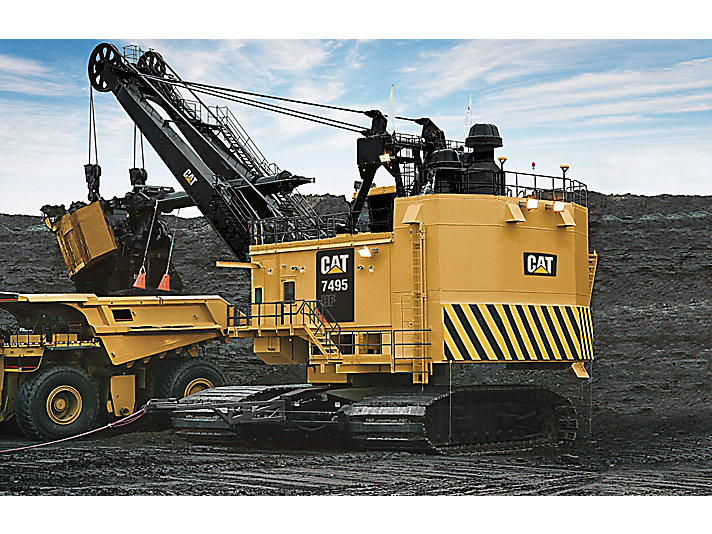
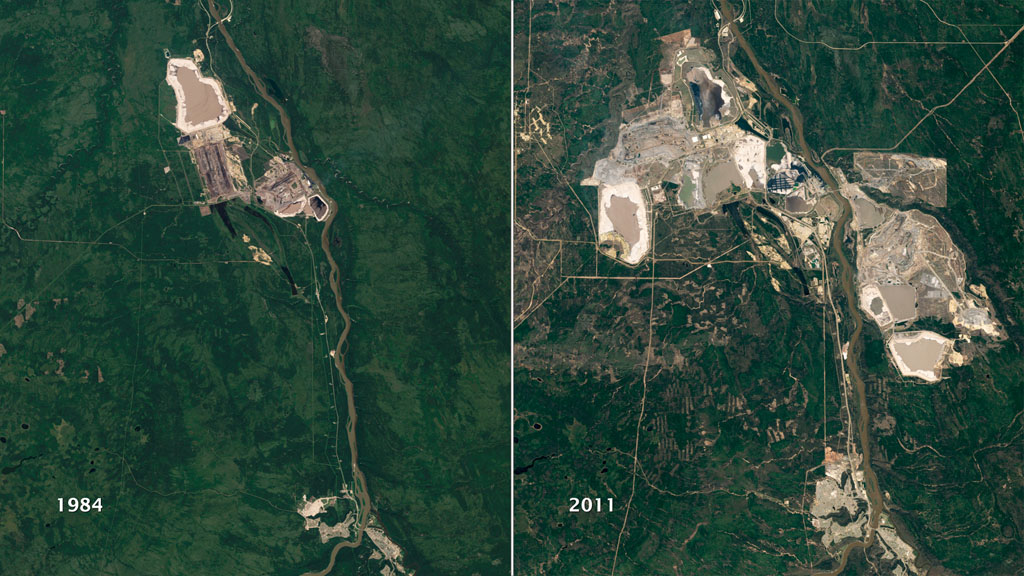
All extraction industries alter the landscape. That’s another cost. Mostly these things happen far from population centers so we don’t notice. And we live in an advanced country with some government oversight and opportunities for citizens to redress grievances or at least express their concerns. You can imagine the impact of fuel and mineral extraction in places where the ruling classes are insulated from the people and from the consequences of their rapaciousness.
Capitalism depends on growth. If your business isn’t growing you are failing. If we aren’t producing and consuming new products our economy tanks. If we don’t get the returns on our investments we can’t make new investments and the economy tanks some more. All of our politicians talk about growth. It’s a sacred tenet of the American way of life. We must continue to get bigger and better. We know there are limits to growth but we don’t want to hear about them. We just want to keep going. Some day, perhaps, we won’t be able to grow any more and we’ll have to figure out a new way to live. For now though we’ll keep the tanks full and keep cruising. Maybe we’ll see something on the journey that will open us up to new possibilities.



 Mark C. O'Connor